By Danielle Short & Associates
Choosing paint colors is one of the easiest ways to refresh your home, but selecting the right shades involves more than simply picking a favorite color. Lighting, undertones, room size, and the overall flow of your home all influence how paint will look and feel once it's on the walls.
As we help homeowners throughout Rancho Santa Fe, we often see how thoughtful color choices can enhance both everyday living and a home's presentation. Understanding how to choose paint colors for home projects can help you create spaces that feel cohesive, inviting, and timeless while complementing your home's unique architectural style.
Key Takeaways
- Lighting and undertones greatly influence how paint colors appear.
- Every room should support its intended purpose through thoughtful color selection.
- Cohesive color palettes create better flow throughout a home.
- Timeless paint choices can enhance both everyday living and future buyer appeal.
Understand How Light Affects Color
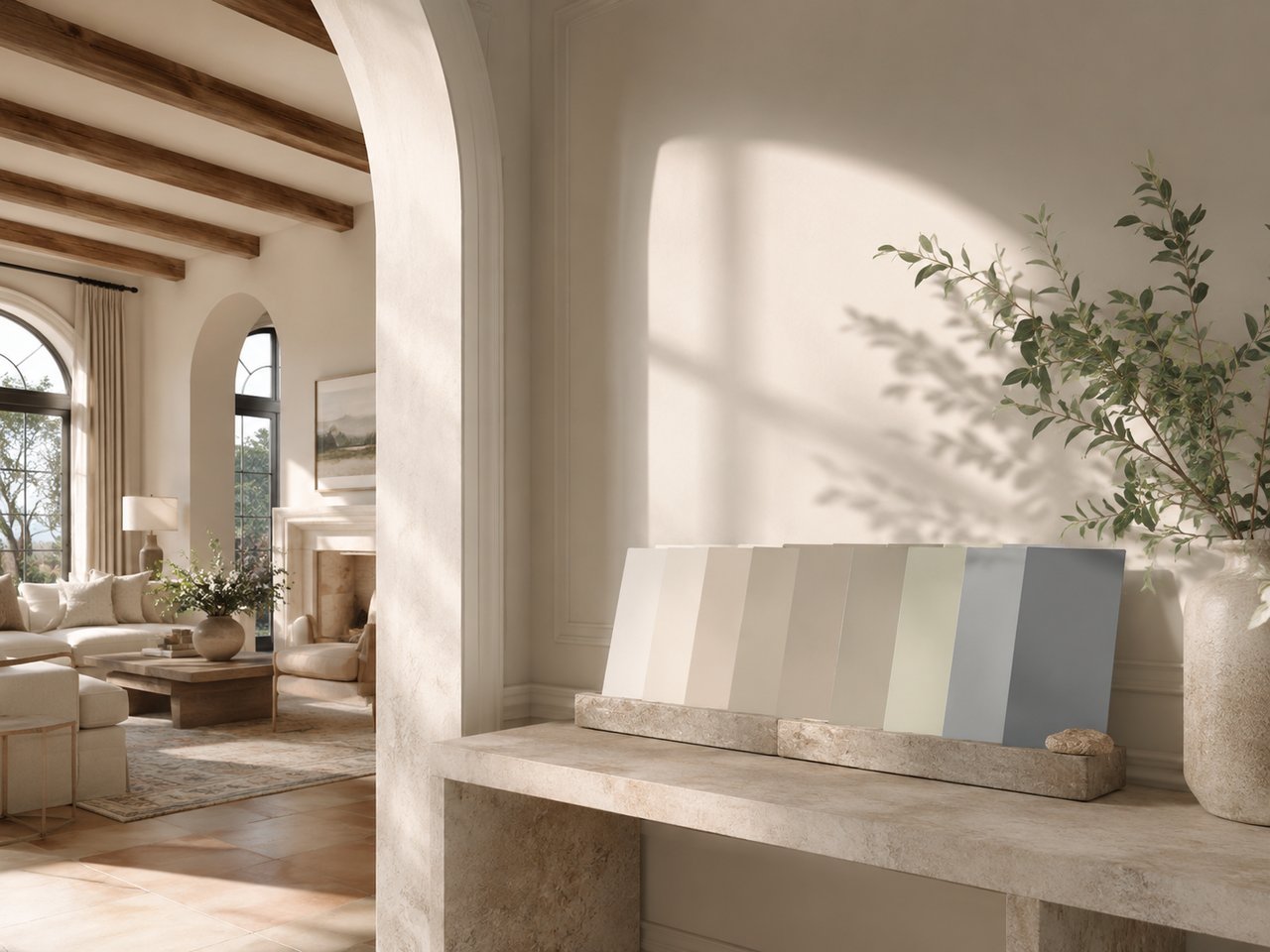
Paint rarely looks exactly the same in every room. Natural light, artificial lighting, and the direction a room faces all influence how colors appear throughout the day. A shade that feels bright in one space may appear much softer or darker in another.
Before making a final decision, observe paint samples under different lighting conditions to see how they change throughout the day.
Lighting Factors to Consider
- Amount of natural light
- Window placement
- Room orientation
- Artificial lighting
- Time of day
- Shadow patterns
Testing colors in the actual room can help you make a more confident decision.
Learn How Undertones Influence Every Color
One of the most overlooked aspects of choosing paint is understanding undertones. Even colors that appear neutral can contain subtle warm or cool hues that become more noticeable once they're applied to larger surfaces.
Choosing complementary undertones helps create a balanced appearance throughout the home, while conflicting undertones can make spaces feel disconnected.
Common Undertones to Watch For
- Warm beige undertones
- Cool gray undertones
- Soft yellow undertones
- Blue undertones
- Green undertones
- Earth-tone undertones
Taking undertones into account helps create a more cohesive design from room to room.
Match Colors to the Purpose of the Room
Every room serves a different function, and paint colors can help reinforce that purpose. While personal style should always play a role, considering how you use each space can help guide your choices.
The goal is to create rooms that feel comfortable, functional, and visually connected.
Color Considerations by Room
- Soft, calming tones for bedrooms
- Warm, welcoming colors for living areas
- Bright, clean palettes for kitchens
- Relaxing shades for bathrooms
- Flexible neutrals for home offices
- Balanced colors for gathering spaces
Choosing colors with each room's purpose in mind creates a more intentional design.
Use Color to Shape How a Room Feels
Color has a noticeable influence on how people perceive a space. Lighter shades can help rooms feel more open, while deeper tones often create a sense of warmth and intimacy. Warm colors generally create an inviting atmosphere, while cooler colors tend to promote a calm and relaxed feeling.
Using these principles thoughtfully can help you enhance the way each room feels without changing the home's layout.
Ways Color Influences a Space
- Creates visual openness
- Adds warmth or softness
- Highlights architectural details
- Defines gathering spaces
- Improves visual balance
- Supports the room's purpose
Understanding these principles is an important part of learning how to choose paint colors for home interiors.
Build a Cohesive Color Palette
One of the most important aspects of learning how to choose paint colors for home interiors is creating consistency throughout the property. While each room can have its own personality, the overall palette should feel connected.
A cohesive approach allows the home to feel larger, more balanced, and easier to navigate visually.
Ways to Create Flow
- Repeat complementary colors
- Maintain consistent undertones
- Use coordinating trim colors
- Limit abrupt color changes
- Transition gradually between rooms
- Balance accent colors carefully
A unified palette helps tie the entire home together.
Consider the Architecture of Your Home
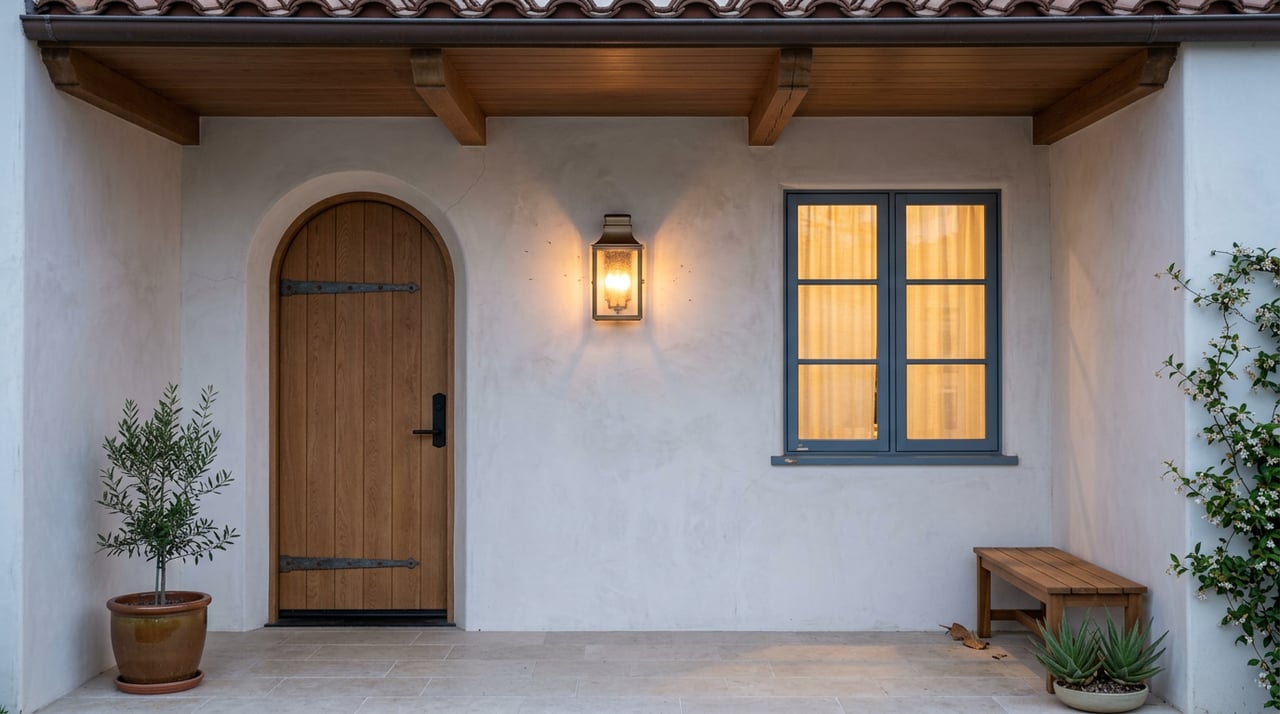
The architecture and character of a home should influence paint selections. Coordinating interior colors with the home's design creates a more polished and cohesive result.
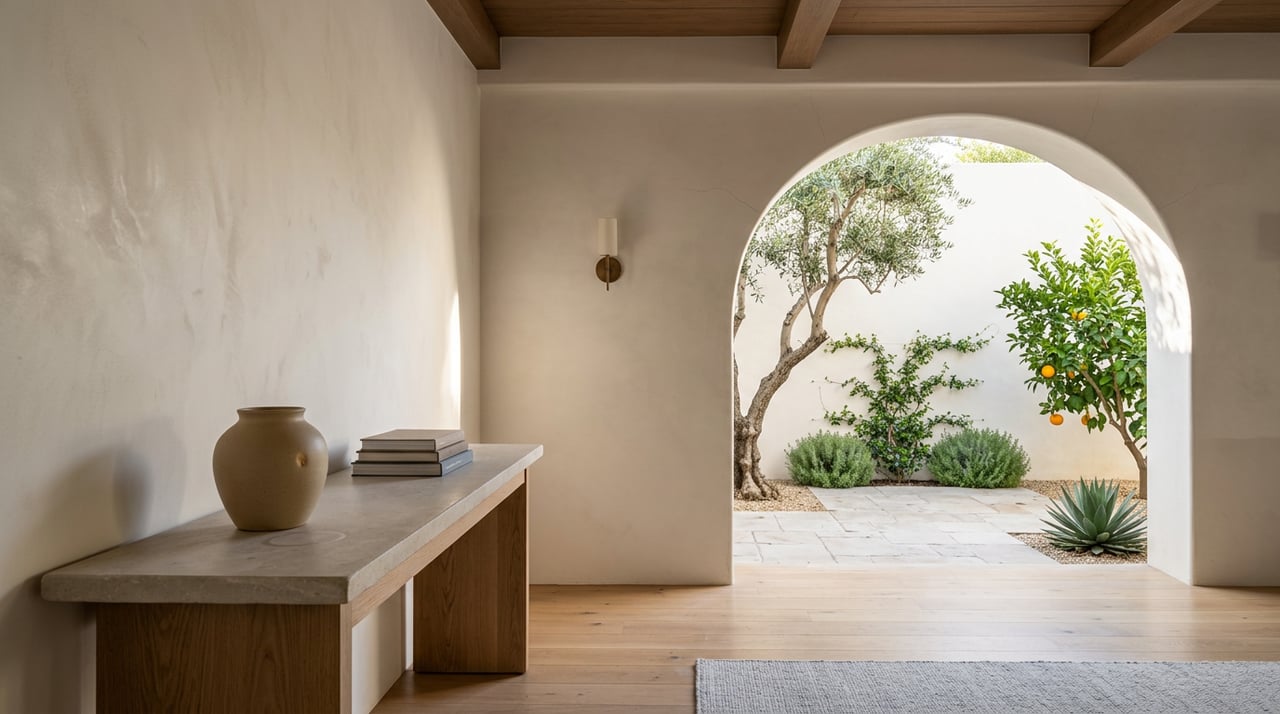
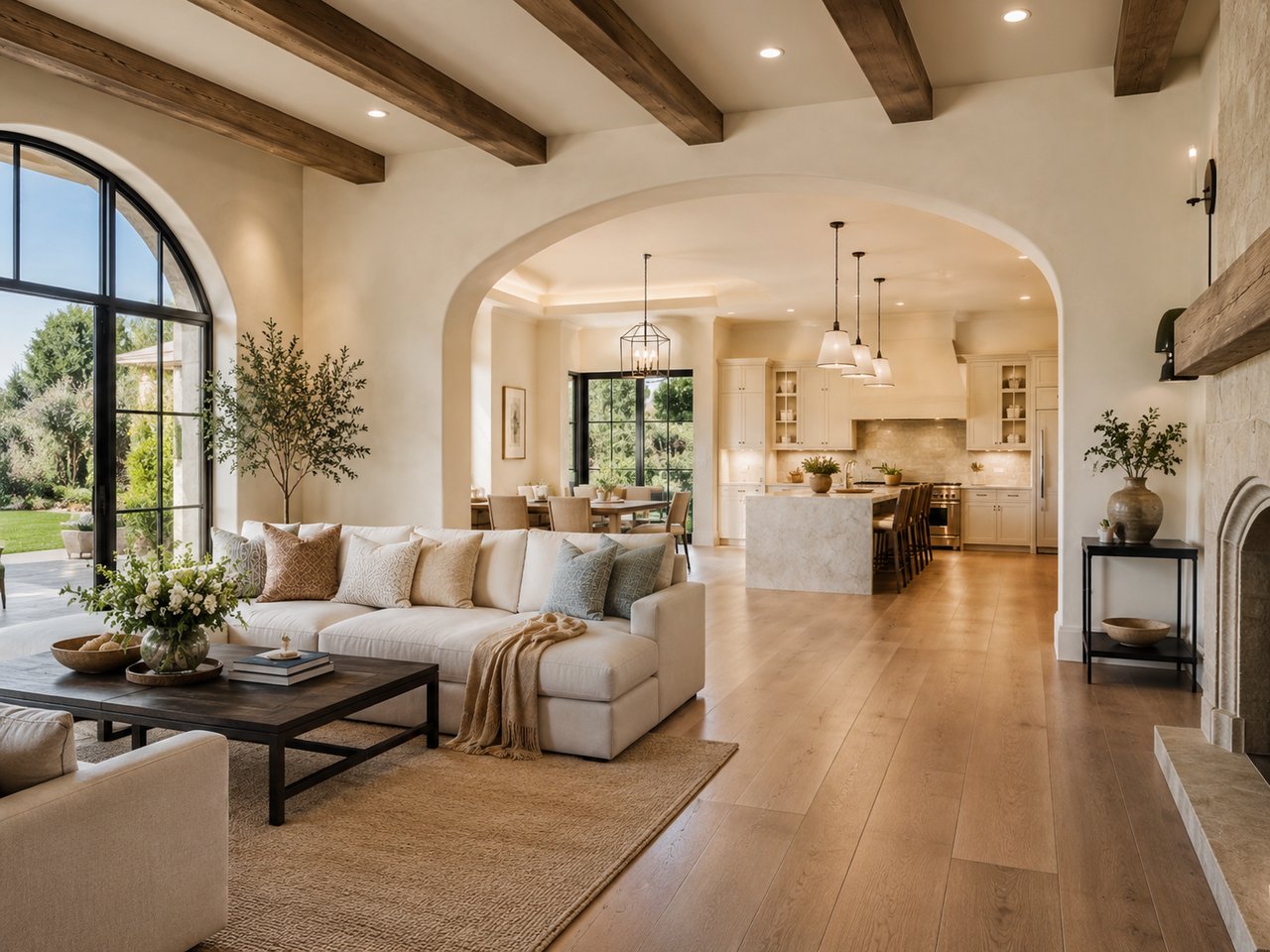
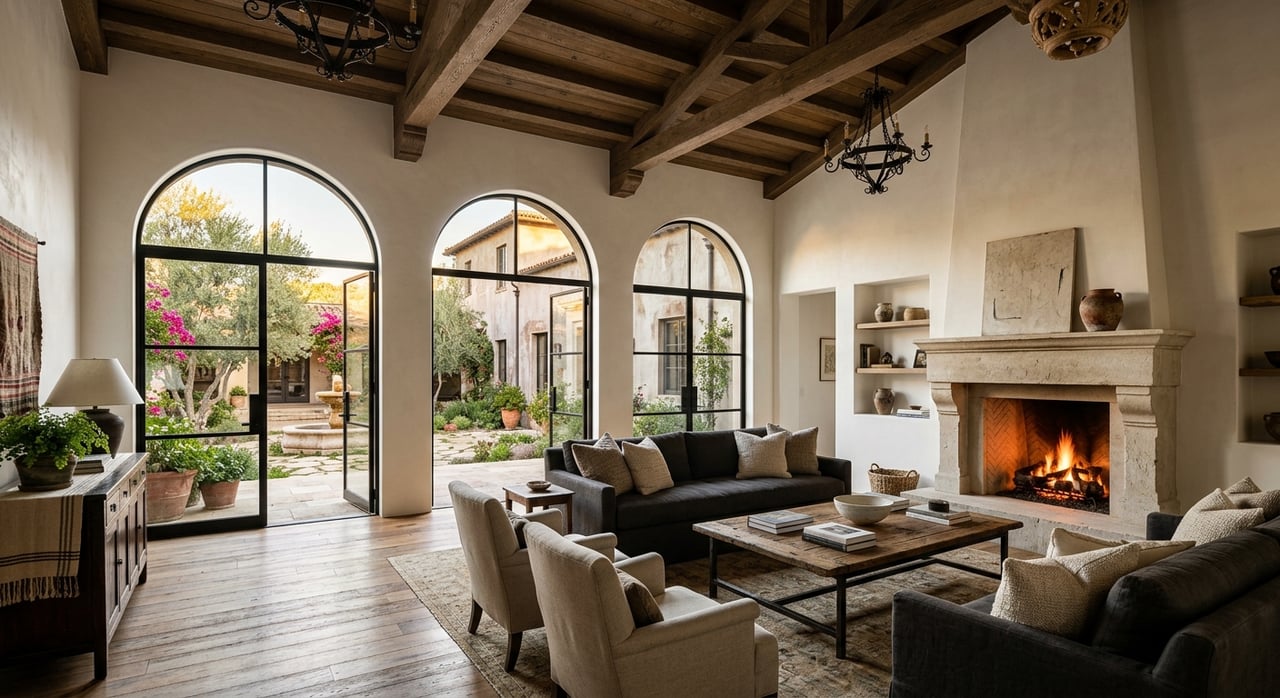
In Rancho Santa Fe, many homes feature spacious layouts, custom craftsmanship, expansive windows, natural materials, and seamless indoor-outdoor living. Thoughtful paint selections can complement these features while allowing architectural details to remain the focal point.
Architectural Features to Complement
- Natural stone finishes
- Custom millwork
- Expansive windows
- High ceilings
- Indoor-outdoor living areas
- Statement architectural details
Choosing colors that complement these features helps create an elegant and timeless appearance.
Think About Long-Term Appeal
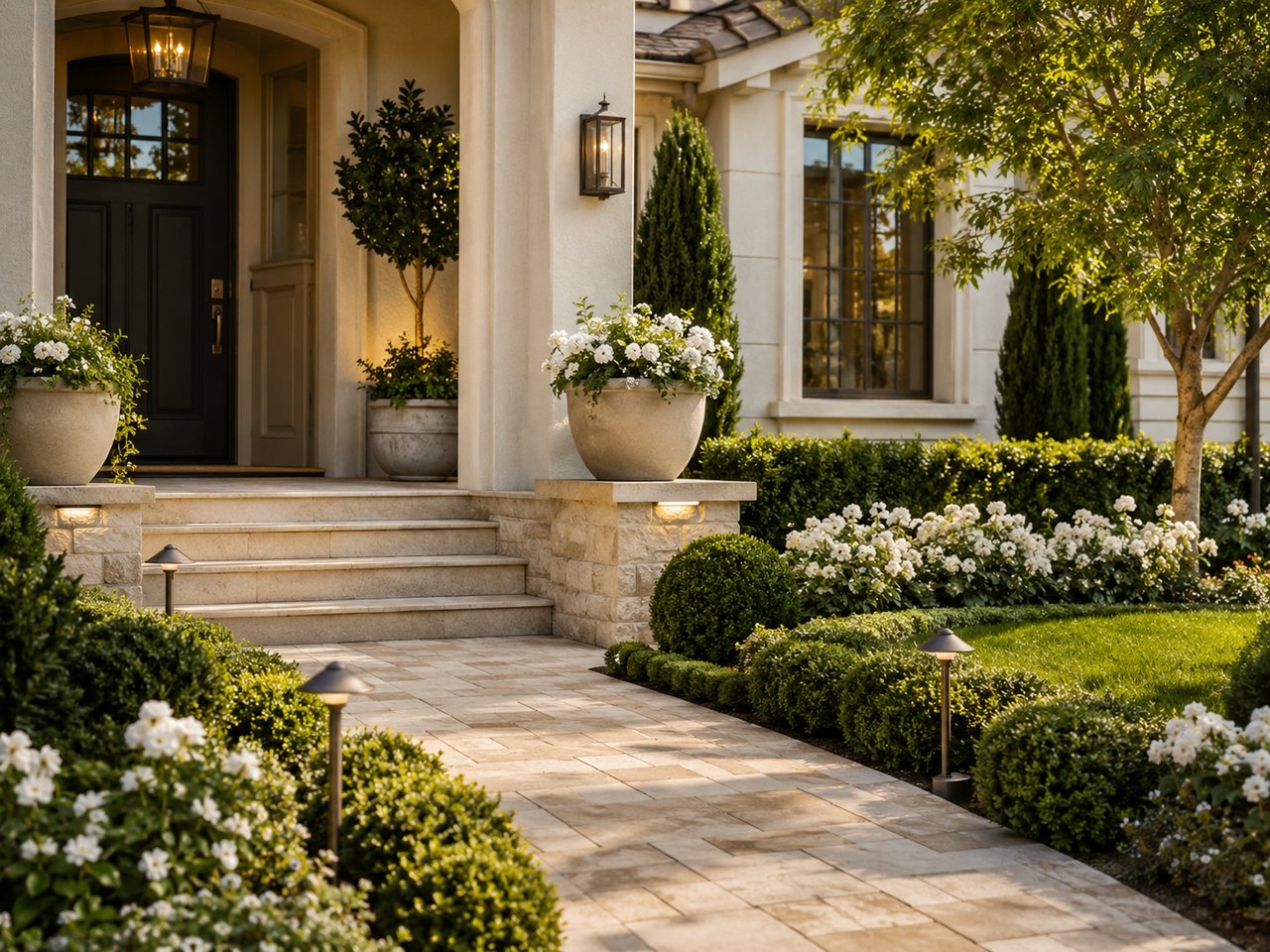
If you expect to sell your home in the future, paint choices can influence how buyers perceive the property. While personal style is important, selecting colors with broad appeal can help create a welcoming environment for a wide range of buyers.
This doesn't mean every room needs to feel identical. Instead, focus on colors that feel timeless and adaptable.
Colors That Often Appeal to Buyers
- Warm neutrals
- Soft whites
- Gentle earth tones
- Light grays
- Muted greens
- Balanced accent colors
A timeless palette can help buyers focus on the home's features rather than bold design choices.
Test Before You Commit
One of the biggest mistakes homeowners make is selecting paint based solely on a small color sample. Testing larger samples within the room allows you to see how the color interacts with lighting, finishes, flooring, and adjoining spaces.
Taking this extra step can help prevent costly repainting later.
Best Practices for Testing Paint
- View samples at different times of day
- Compare multiple shades
- Test on more than one wall
- Consider adjoining rooms
- Evaluate the finish as well as the color
- Live with samples before deciding
Testing colors thoroughly can provide greater confidence before beginning a project.
Why Learning How to Choose Paint Colors for Home Projects Matters
Choosing paint colors is about more than aesthetics. The right palette can improve everyday enjoyment, create visual harmony, complement architectural features, and even enhance how buyers experience a home in the future.
Whether you're refreshing a single room or updating an entire home in Rancho Santa Fe, understanding how to choose paint colors for home projects can help you make thoughtful design decisions that support your lifestyle while showcasing your property's best features.
Paint Selection Priorities
- Evaluate lighting
- Understand undertones
- Match colors to room function
- Complement architectural details
- Think about long-term appeal
- Test colors before painting
A well-planned color palette can add lasting beauty and functionality throughout your home.
FAQs
How do I choose paint colors that work throughout my home?
Start with a cohesive base palette, maintain consistent undertones, and use complementary shades that transition naturally from one room to the next.
How do undertones affect paint color?
Undertones influence how a paint color appears once it's on the wall. Choosing coordinating undertones helps create a more balanced and cohesive look throughout your home.
Should I test paint before making a final decision?
Yes. Viewing larger paint samples at different times of day allows you to see how lighting and surrounding finishes affect the color before committing.
Contact Us Today
Whether you're preparing your home for the market or simply refreshing your living space, thoughtful design decisions can make a meaningful difference. Selecting the right paint colors can enhance your daily enjoyment while helping your home make a lasting impression on future buyers.
Reach out to us at
Danielle Short & Associates, and we'll help you navigate the Rancho Santa Fe, real estate market with confidence. From recommending improvements that enhance buyer appeal, including thoughtful paint selections, to pricing, marketing, and preparing your home for a successful sale, we'll provide the local expertise and personalized guidance you need to achieve your real estate goals.